
Hold on as we fetch this article…
Hold on as we fetch this article…
Home / Article / YOUTH ROOTED IN INDIGENOUS KNOWLEDGE
"The future of the Mau Forest will not only be secured by the trees we plant today, but by the young people we inspire to protect them tomorrow."
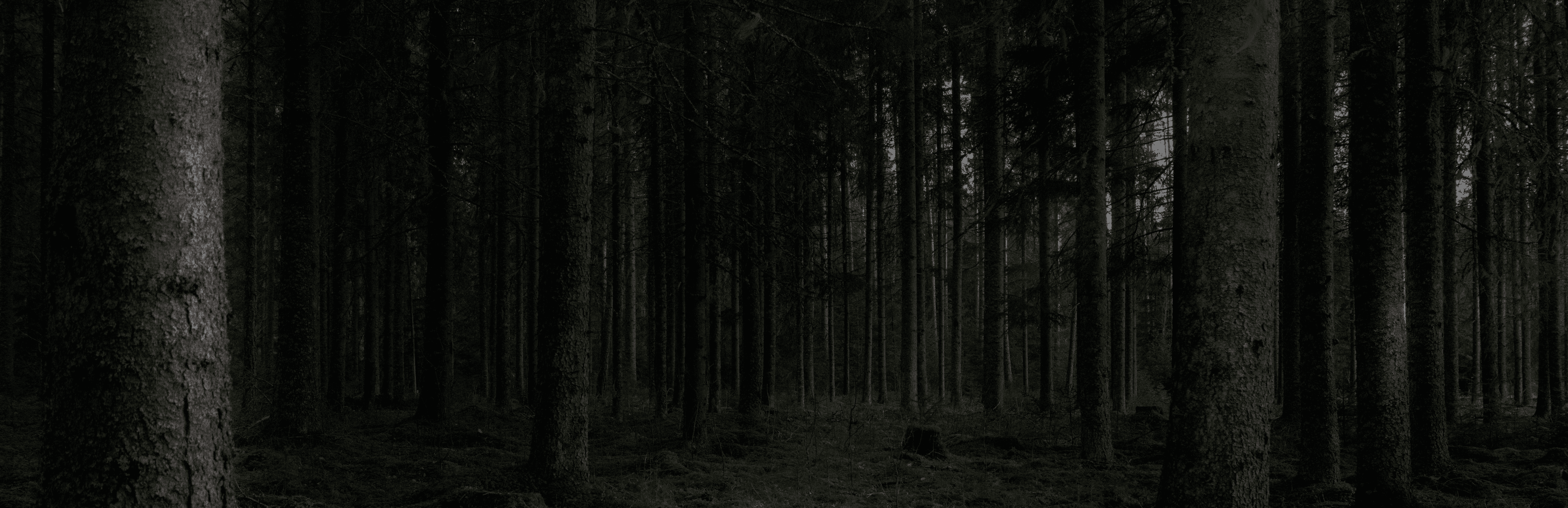
The Mau Forest is more than Kenya's largest indigenous forest. It is one of East Africa's most important water towers, a biodiversity hotspot, and the ancestral home of the Ogiek people, whose identity, culture, and livelihoods have been intertwined with the forest for generations.
Today, however, climate change, deforestation, and environmental degradation continue to threaten this critical ecosystem. Responding to these challenges requires more than tree planting—it demands community ownership, indigenous leadership, and a new generation committed to protecting nature.
This vision came to life during the launch of the Save Mau Initiative in Nessuit, Nakuru County, where Hunter Gatherers Forum Kenya (HUGAFO-K) reaffirmed its commitment to supporting indigenous-led conservation efforts through its member organizations. The Save Mau Initiative, a member of the HUGAFO-K network, is championing a community-driven approach to restoring the Mau Forest by combining indigenous knowledge, environmental stewardship, and active youth participation.
HUGAFO-K is a national network that brings together hunter-gatherer communities across Kenya to advocate for the protection of indigenous peoples' rights, cultures, territories, and natural resources. Recognizing that indigenous communities have safeguarded forests for centuries through traditional ecological knowledge, the network promotes conservation models that place communities at the heart of environmental protection.
Supporting member organizations such as the Save Mau Initiative reflects HUGAFO-K's belief that sustainable conservation is achieved when local communities lead restoration efforts, share knowledge across generations, and work collaboratively with government institutions and conservation partners.
The launch of the Save Mau Initiative was a powerful demonstration of this collective vision. Community leaders, women, youth, artists, environmental organizations, and local authorities gathered with a shared purpose,to restore the Mau Forest and ensure its survival for future generations.
One of the strongest messages that emerged during the event was the critical role of young people in shaping the future of conservation.
Across the discussions, speakers challenged youth to become environmental ambassadors by planting indigenous trees, protecting biodiversity, restoring degraded landscapes, and embracing the traditional ecological knowledge inherited from their elders. Rather than viewing conservation as the responsibility of older generations alone, the event positioned young people as today's leaders and tomorrow's custodians of Kenya's natural heritage.
For HUGAFO-K, investing in youth is investing in the future of indigenous conservation.Young people possess the energy, creativity, and innovation needed to respond to emerging environmental challenges. When empowered with indigenous knowledge and practical conservation skills, they become powerful agents of change within their communities. Through its network, HUGAFO-K continues to encourage youth participation in ecosystem restoration, environmental education, climate action, and advocacy for indigenous land and resource rights.
By creating spaces where young people actively participate in conservation initiatives, the network is nurturing a generation that understands that protecting forests is inseparable from protecting culture, livelihoods, biodiversity, and climate resilience.
Representing HUGAFO-K during the launch, the coordinator congratulated the Save Mau Initiative on its official establishment and reaffirmed the network's unwavering support. He described the initiative as an important member of the HUGAFO-K family and emphasized that restoring the Mau Forest requires unity, collaboration, and shared responsibility.
He encouraged communities to establish and strengthen indigenous tree nurseries, protect medicinal tree species, and continue learning from community elders whose traditional ecological knowledge has guided sustainable forest management for generations. He further reminded participants that every tree planted carries responsibility, and that long-term conservation depends on communities nurturing those trees until they mature.
His remarks reflected HUGAFO-K's broader commitment to supporting grassroots conservation initiatives that empower indigenous communities to lead environmental restoration while preserving their cultural heritage.
Environmental conservation is deeply embedded within indigenous culture.The launch was enriched by vibrant performances from Ogiek artists whose songs celebrated the inseparable relationship between the Ogiek people and the Mau Forest. Through music, they reminded participants that the forest is far more than a collection of trees—it is the source of identity, medicine, food, honey, clean water, spirituality, and cultural survival.
These performances transformed conservation from a technical discussion into a celebration of heritage, inspiring participants to take pride in protecting both the environment and their cultural identity.
The event culminated in a symbolic indigenous tree planting exercise, officially marking the beginning of the Save Mau Initiative's restoration journey.
Participants planted indigenous tree seedlings while learning appropriate planting techniques and discussing the importance of ensuring the seedlings survive beyond planting day. The exercise reinforced an important lesson shared throughout the event: successful conservation is not measured simply by the number of trees planted, but by the healthy forests that flourish because communities continue to nurture them.
For HUGAFO-K, tree growing represents hope, resilience, and intergenerational responsibility. Every indigenous tree restored strengthens biodiversity, protects vital water catchments, supports sustainable livelihoods such as beekeeping, and contributes to climate resilience.
As environmental pressures continue to threaten Kenya's forests, HUGAFO-K remains steadfast in its commitment to strengthening indigenous-led conservation across the country.
By supporting member organizations like the Save Mau Initiative, promoting indigenous knowledge systems, and investing in youth leadership, the network is demonstrating that lasting conservation begins with empowered communities.
The restoration of the Mau Forest is not solely an environmental mission—it is a commitment to safeguarding culture, protecting livelihoods, preserving biodiversity, and securing a healthier future for generations to come.
No comments yet. Be the first to comment!
July 6, 2026